Building type and use
Match supplier experience to classrooms, offices, workforce accommodation or project support units. Request dated references; do not infer suitability from product photos.
Mobile Modular sourcing
A disciplined path from initial requirements to comparable supplier offers and shipment documents.
01 / requirements freeze
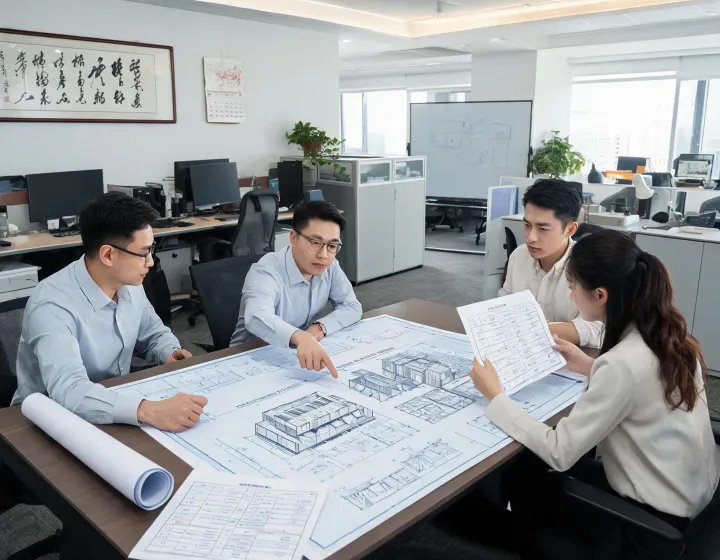
Record intended use, occupancy, deployment country, dimensions, storeys, design life and installation window. Add wind, snow and seismic criteria from the project engineer instead of reusing a generic brochure value. Define whether the proposal includes foundations, utilities, furniture, fire strategy and local permit work.
Ask each shortlisted supplier for a marked drawing, exclusions list, material schedule, panel composition, load basis and delivery incoterm. We coordinate clarifications and organize them in one comparison matrix. An incomplete response is identified for follow up, rather than treated as technically equivalent to a documented offer.
For modular and portable buildings, apparently similar dimensions can conceal different structural frames, insulation systems and connection details. The brief therefore separates fixed criteria from options that suppliers may propose. This gives the buyer a traceable basis for commercial discussion and an engineer a practical list of matters to review.
02 / sequence
Manufacturing remains with the selected supplier. Structural calculations, professional sign off, testing and permission to build sit with the supplier and the relevant qualified parties. We can coordinate requests for evidence, but a coordination record does not replace a local approval or an independent engineering assessment.
03 / interface control
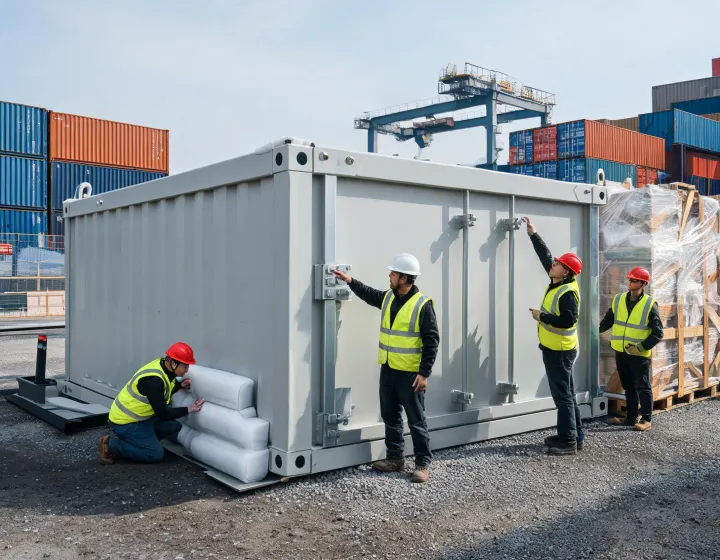
A transportable module must fit the route and lifting plan. We request unit dimensions and masses, packing protection, lifting point details, destination port and access constraints. The buyer should ask the installer to verify foundation tolerances, weather protection during assembly and the sequence of service connections.
Panelized and volumetric systems have different tradeoffs. A compact pack may reduce freight volume but increase site labor and weather exposure. A completed volumetric unit may simplify field work while requiring more careful lifting and route planning. The comparison should state these costs separately.
04 / evidence
Match supplier experience to classrooms, offices, workforce accommodation or project support units. Request dated references; do not infer suitability from product photos.
Compare climate criteria, code assumptions, quantity and destination together. Record exactly who handles foundation design, local approval, erection and commissioning.
Inspection coordination can include drawing reviews, material checks and documented hold points where agreed. Each item is scoped in the purchase order, and results are retained for the buyer to assess with their professional team.
Next step
Share your project criteria so we can coordinate supplier matching and comparable quotations.